Loop is basically solving one thing: students have stuff, but no cash. So instead of forcing a buy–sell system, it flips the model. Trade instead of pay. Keep everything moving inside the campus, no money required.
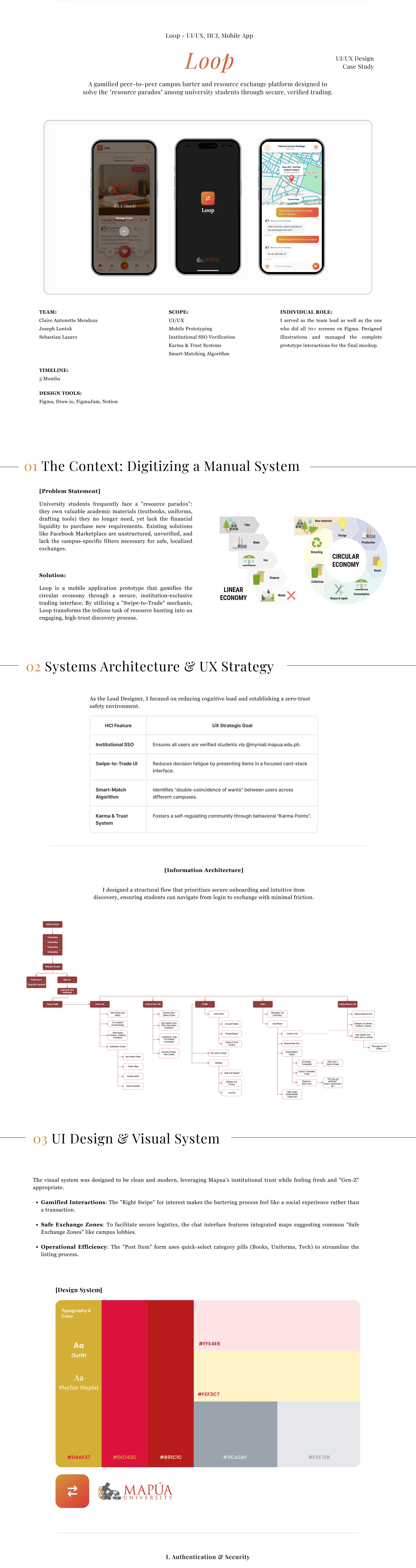
At a higher level, this isn’t just a marketplace. It’s a trust network. And the whole thing hinges on one decision: SSO. No anonymity, no fake accounts, no slow trust-building phase. Identity is already validated. That one move simplifies everything else – safety, negotiation, even how people behave. You’re not dealing with randoms anymore. You’re dealing with known entities.
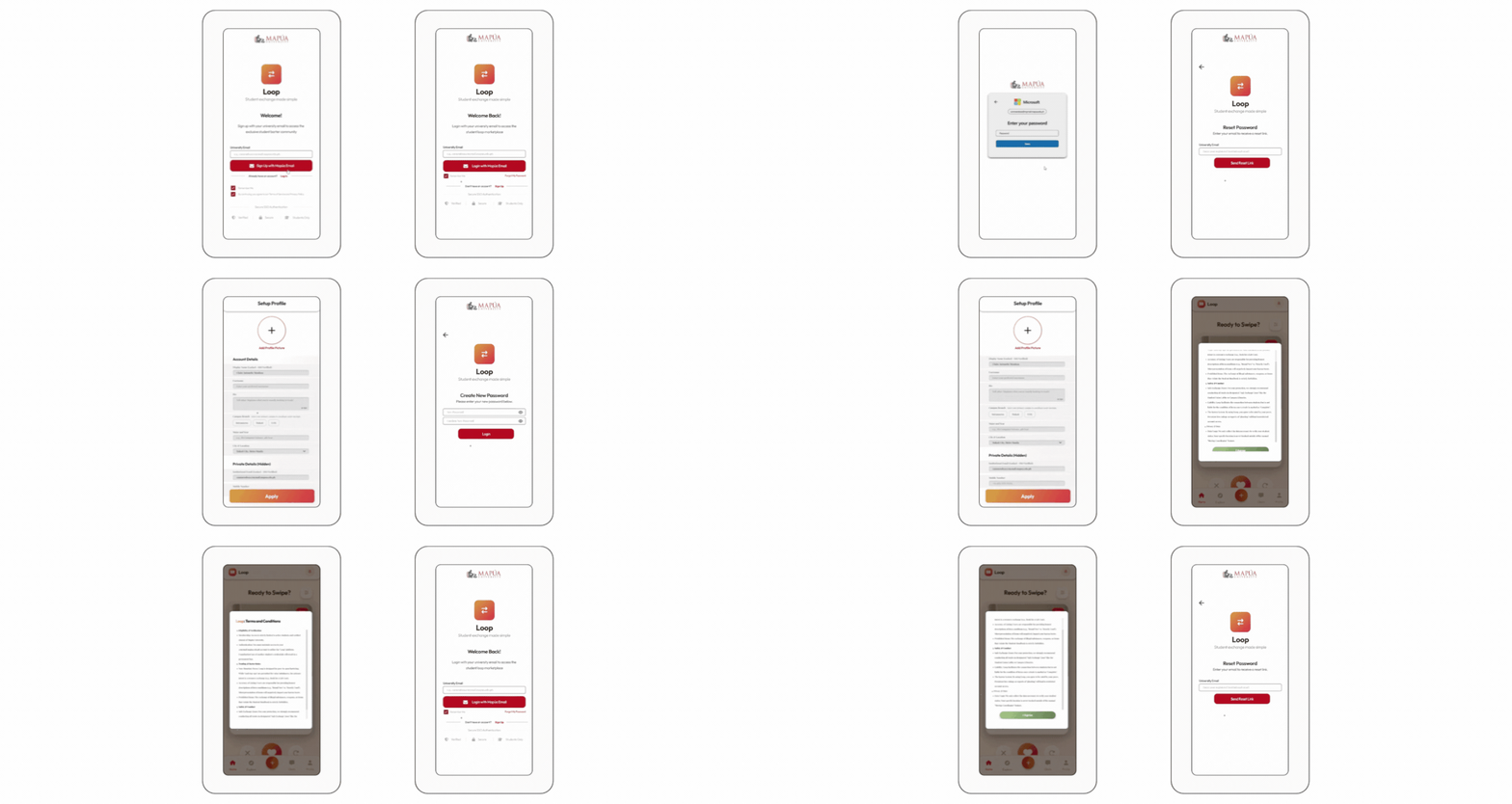
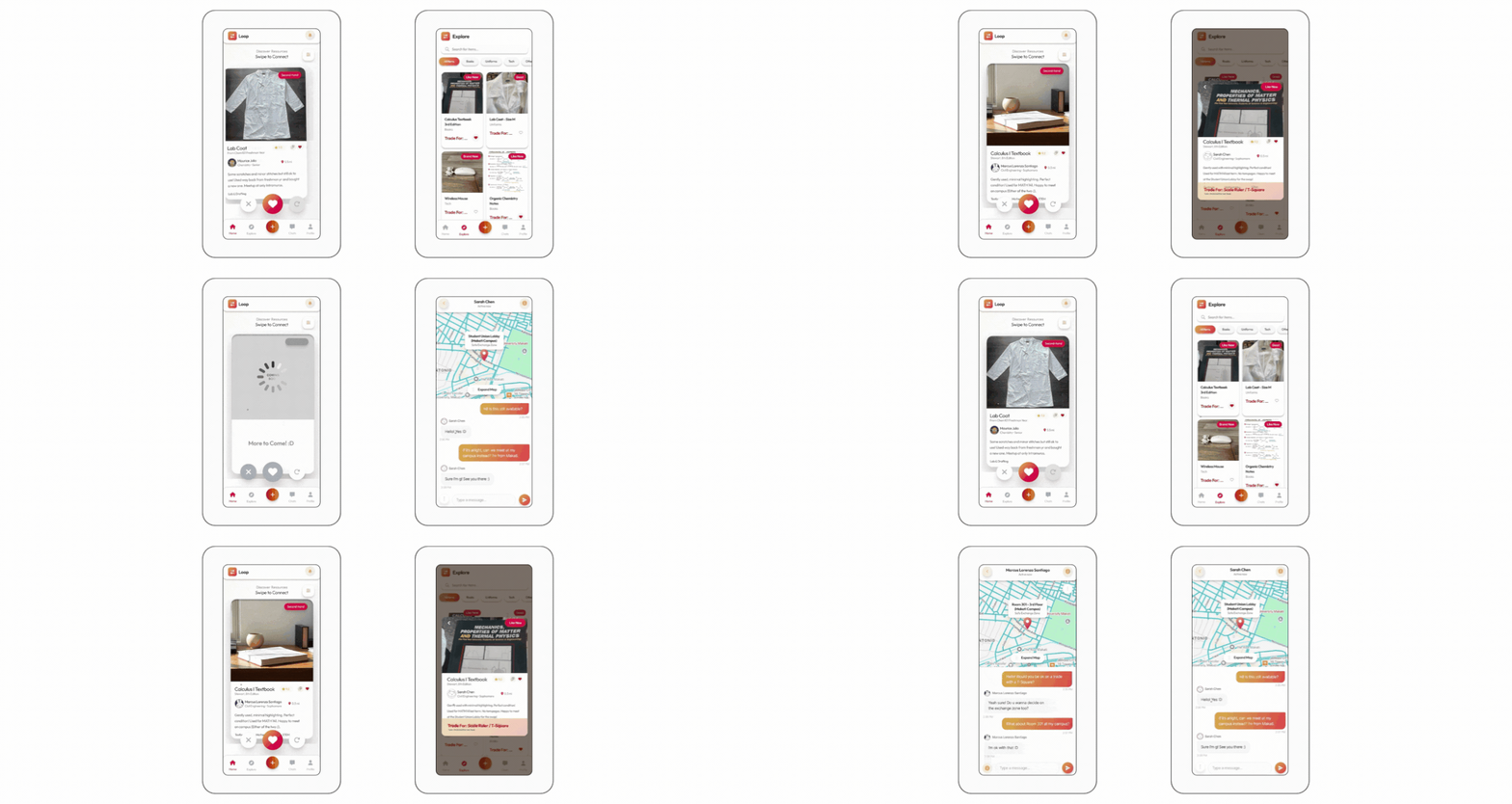
The interaction model is straightforward. Swipe. You see an item, you decide: interested or not. Done. No heavy filtering, no endless scrolling through clutter. It reduces decision-making to something fast and binary, which matters because people engage more when thinking costs less.
But swipe alone would be shallow. It would just be a matching toy. The real engine is the smart matching layer behind it. It solves the classic barter problem: I want your item, but you don’t want mine. The system looks for overlaps and compatible trades so exchanges can actually happen. Without that, the whole thing stalls.
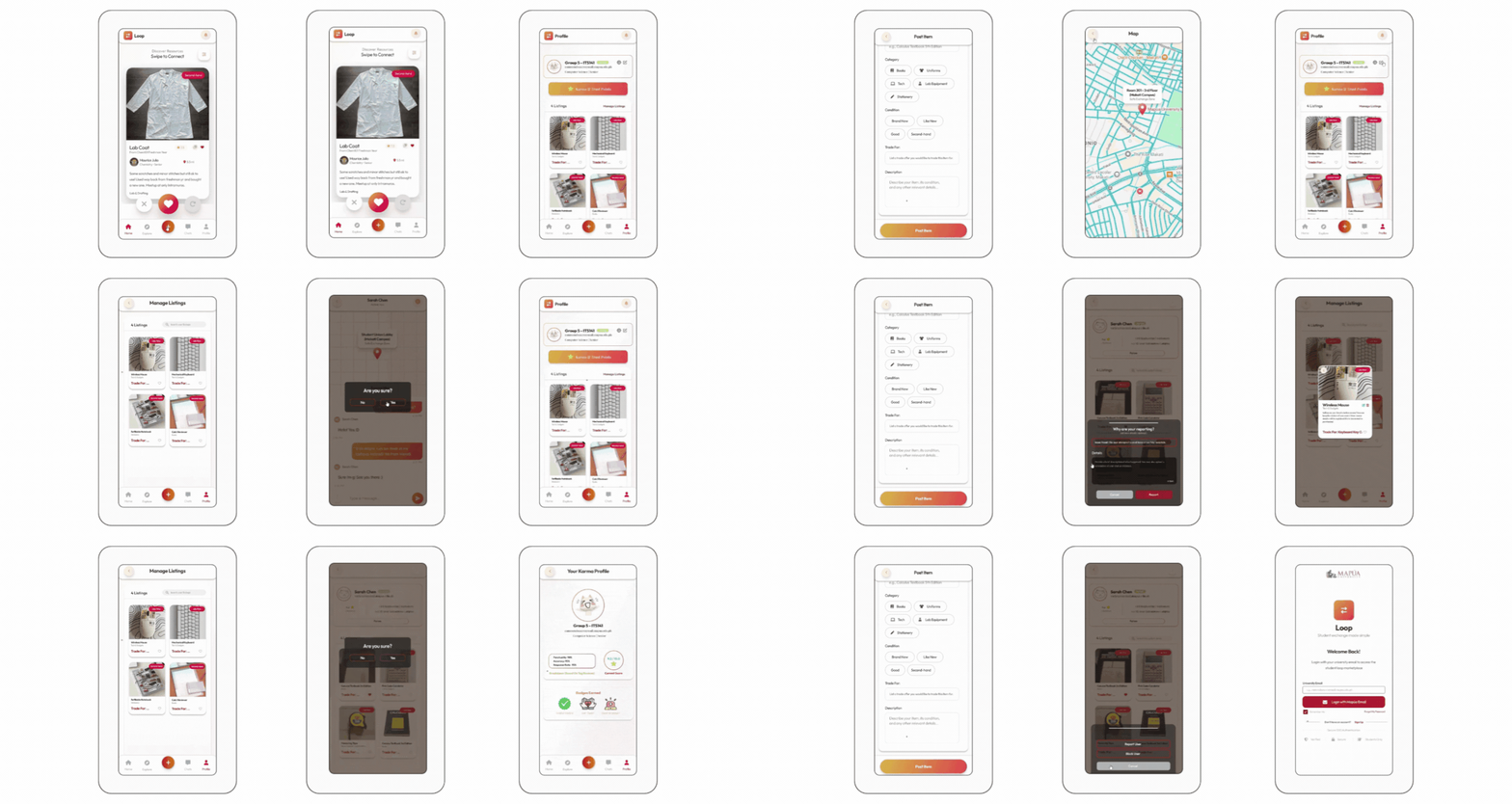
Then there’s the trust layer. Not just ratings, but behaviour over time. Karma, reputation, whatever you want to call it. It nudges people to act properly, discourages bad actors, and keeps the system self-regulating. So the product isn’t just enabling trades. It’s shaping how people behave inside it.
The flow is tight. You sign in, you browse, you swipe, you chat, you trade. That’s it. No branching mess. No overthinking. The goal is obvious: move users from intent to exchange as quickly as possible.
Three core parts hold it together. Listings are structured and easy to create, with presets and condition tags so data stays clean. Chat isn’t just chat, it carries context, even suggesting safe meet-up spots. Profiles pull everything together, listings plus trust signals, so accountability is always visible.
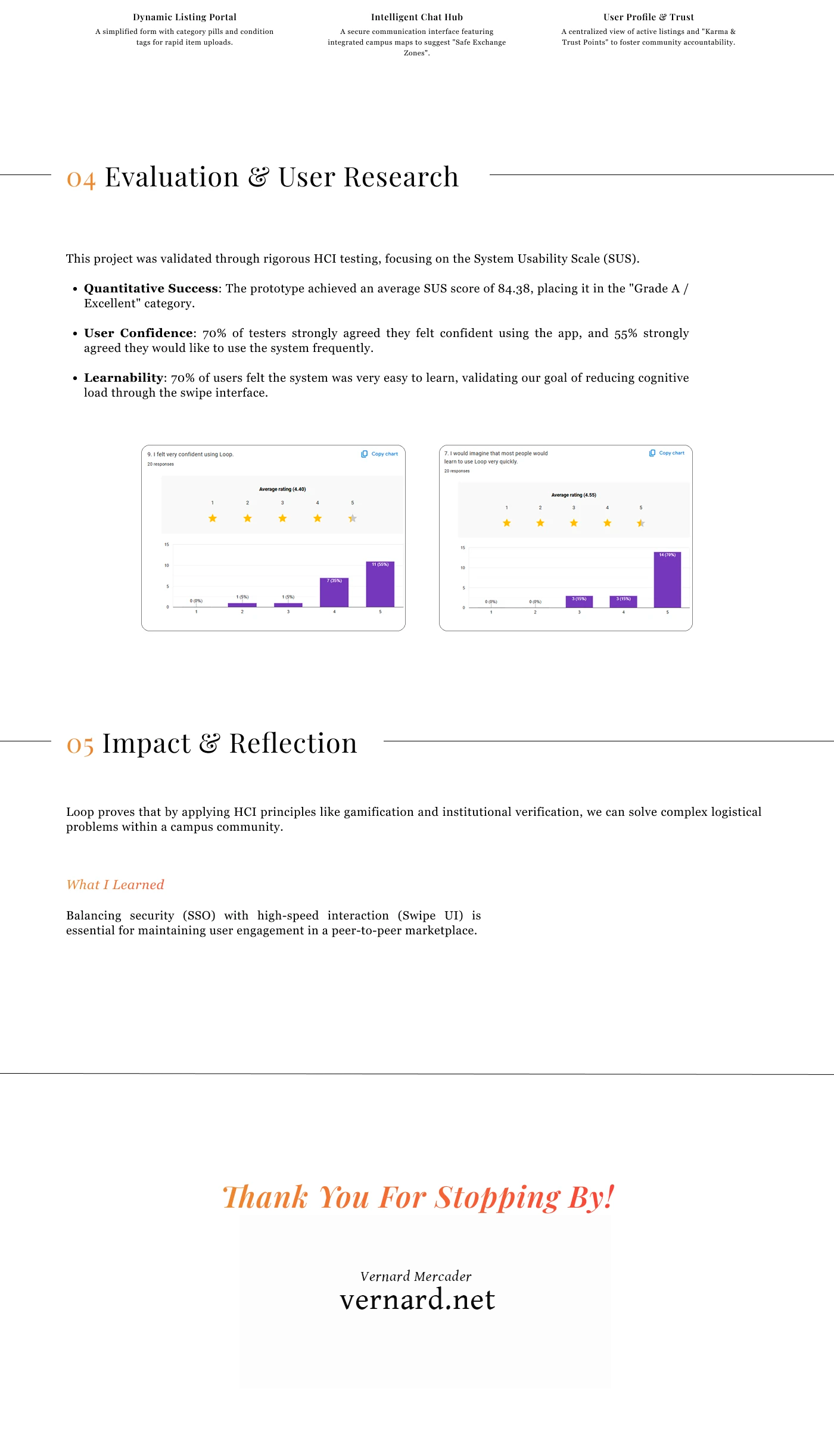
Visually, it keeps things clean and familiar, with institutional branding to reinforce legitimacy. But it sneaks in light gamification through swipe and feedback, so it doesn’t feel like a chore. More like something you dip into. There’s a tension running through the whole product. Speed versus safety. Fast systems feel risky. Safe systems feel slow. The way this handles it is simple: front-load the friction. Verify upfront, then get out of the user’s way. That sequencing is doing most of the heavy lifting. And the numbers back it. SUS score in the mid-80s. That’s strong. People understood it quickly, felt confident using it, didn’t need hand-holding. Which tells you the interaction model lines up with how they already think. Zoom out a bit, and the interesting part is this: the behaviour already existed. Students were trading informally, just scattered and inefficient. This just pulls it into one place, cleans it up, and removes the friction.
That’s really the whole play. Don’t invent behaviour. Formalise it. Then optimise it.